
Rhinoplasty Surgery in London
Mr Florian Bast MD FRCS
Consultant ENT and Facial Plastic Surgeon
Choosing to change your nose is a personal decision. I offer rhinoplasty in London, combining ENT and facial plastic surgery expertise to assess its shape, structure and breathing. I will help you understand what surgery may achieve, its limitations and whether it is right for you. Assessment considers nasal shape, structure and breathing.
Clinically reviewed by Mr Florian Bast MD FRCS.
Winner of Best Surgical Result at the Aesthetic Awards 2025
Why choose Mr Florian Bast for Rhinoplasty?
Mr Florian Bast MD FRCS is a Consultant ENT and Facial Plastic Surgeon whose practice includes primary rhinoplasty, revision rhinoplasty and septorhinoplasty.
Specialist ENT credentials
Specialist qualification in ear, nose and throat surgery awarded in Germany in 2011.
GMC registration number: 7381518.
Advanced surgical training in London
Fellowship in craniofacial and facial plastic surgery at Chelsea and Westminster Hospital.
Surgical recognition
Winner of Best Surgical Result at the Aesthetics Awards 2025.







Request a Rhinoplasty Consultation
Complete the form and Mr Bast’s clinic will contact you to discuss your enquiry and next steps
Reasons to Consider Rhinoplasty
People choose rhinoplasty for many reasons, including aesthetic concerns or to correct breathing problems. Common motivations include:
A saddle nose deformity caused by trauma or previous surgery

A hump or bump on the bridge of the nose
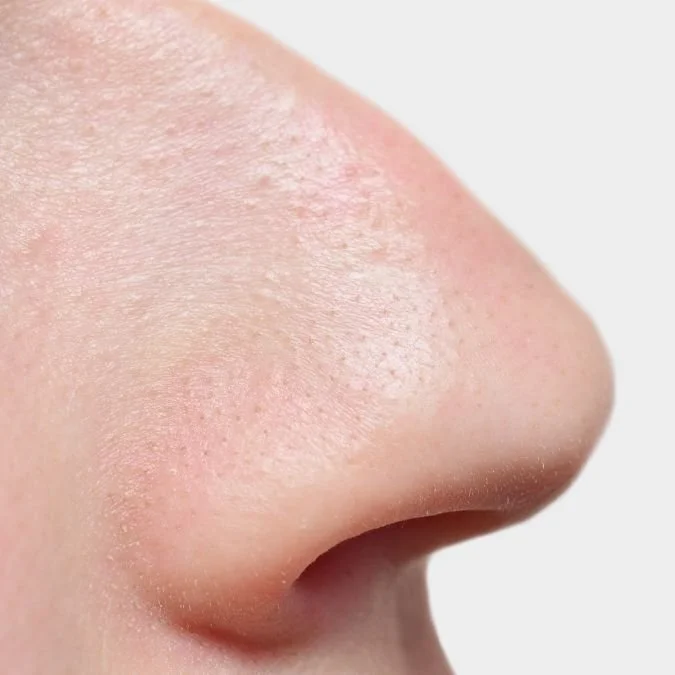
A crooked or bent appearance
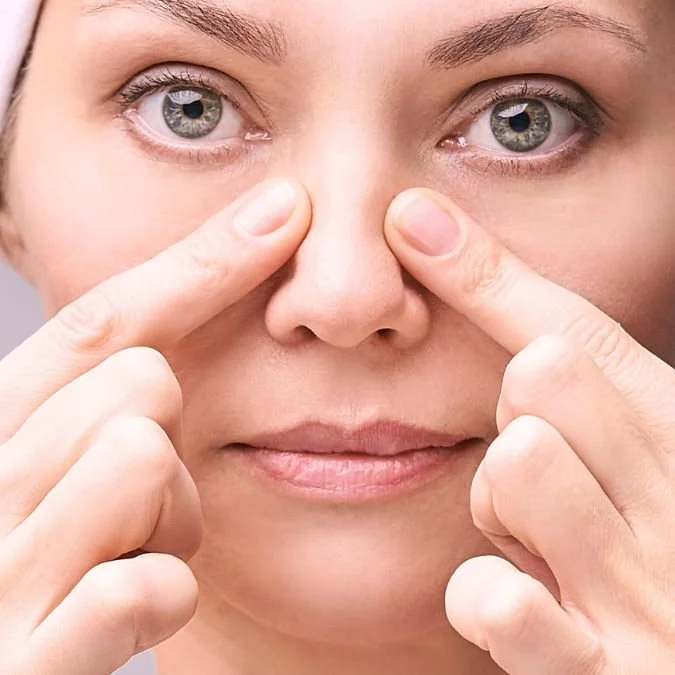
Persistent difficulty breathing or a feeling of nasal blockage
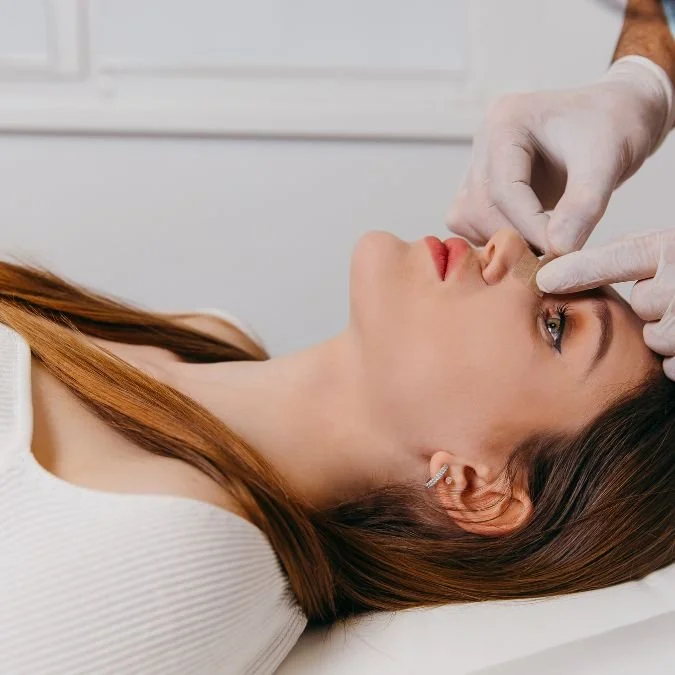
A drooping or uneven nasal tip
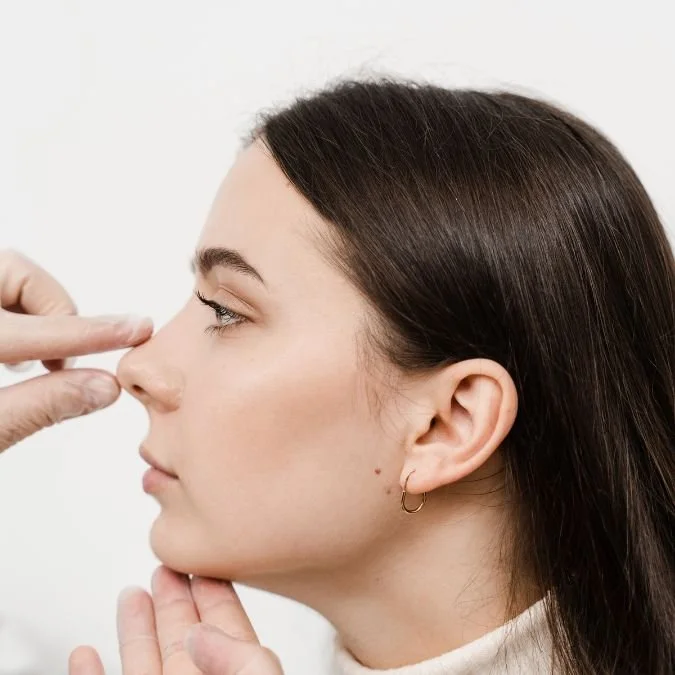
Desire to enhance facial balance and self-confidence

MR FLORIAN BAST EXPLAINS
Aesthetic and Functional Rhinoplasty
Aesthetic rhinoplasty refines the external appearance of the nose for better proportion and balance. Functional nasal surgery focuses on improving nasal airflow and breathing comfort. Many patients benefit from a septorhinoplasty, a combined procedure that achieves both goals in one operation.
Before any rhinoplasty surgery in London, Florian conducts a full medical history review and physical examination of the nasal cavity. This ensures that structural issues, such as deviated septum or weak septal cartilage, are identified and managed appropriately. Careful planning allows the safest and most effective surgical procedures for each individual.
REAL PATIENT RESULT
These cases show how rhinoplasty can address different combinations of appearance, nasal structure and breathing. Each operation is planned around the individual patient’s anatomy, concerns and goals.Refining the nasal profile and supporting the tip after previous jaw surgery
Rhinoplasty case studies
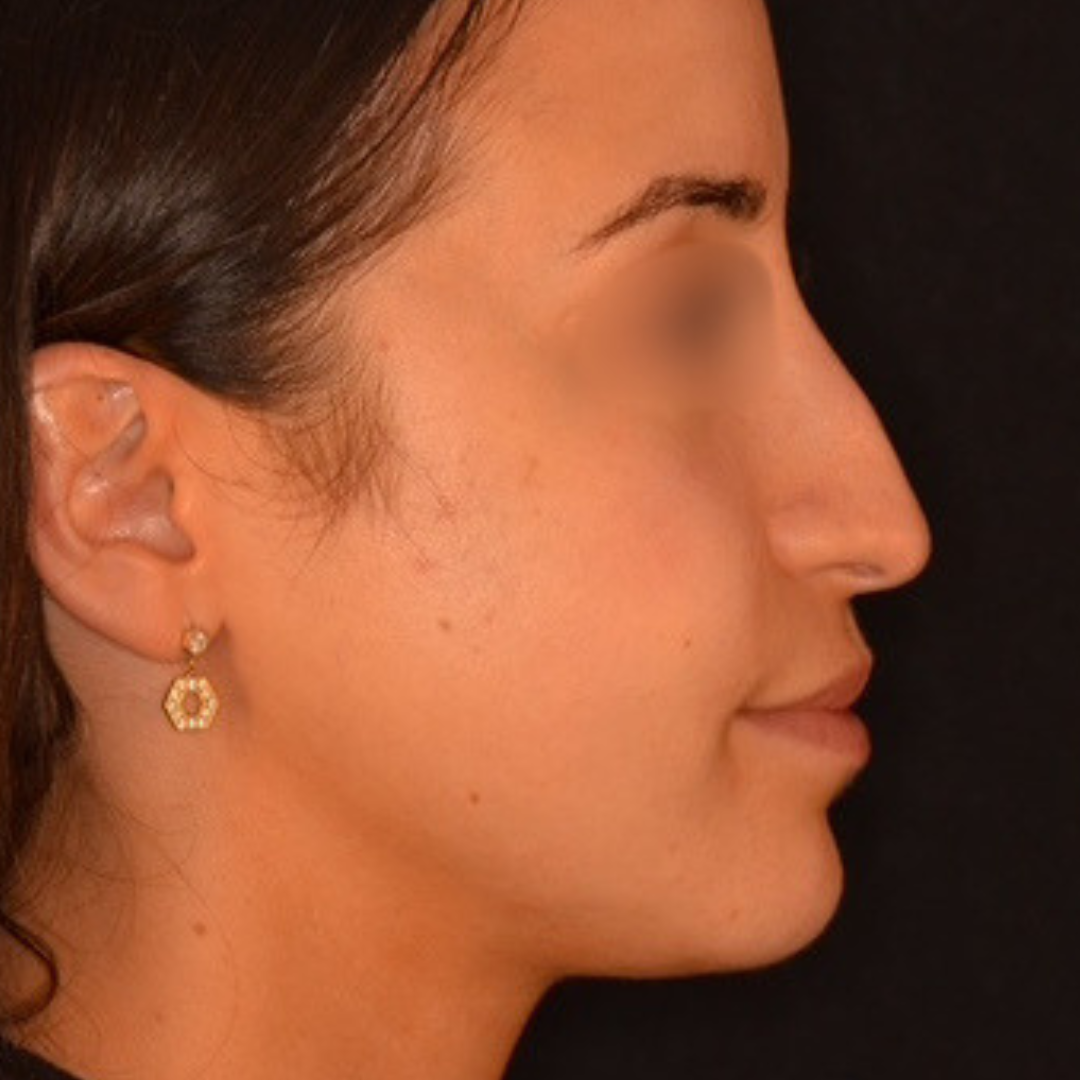
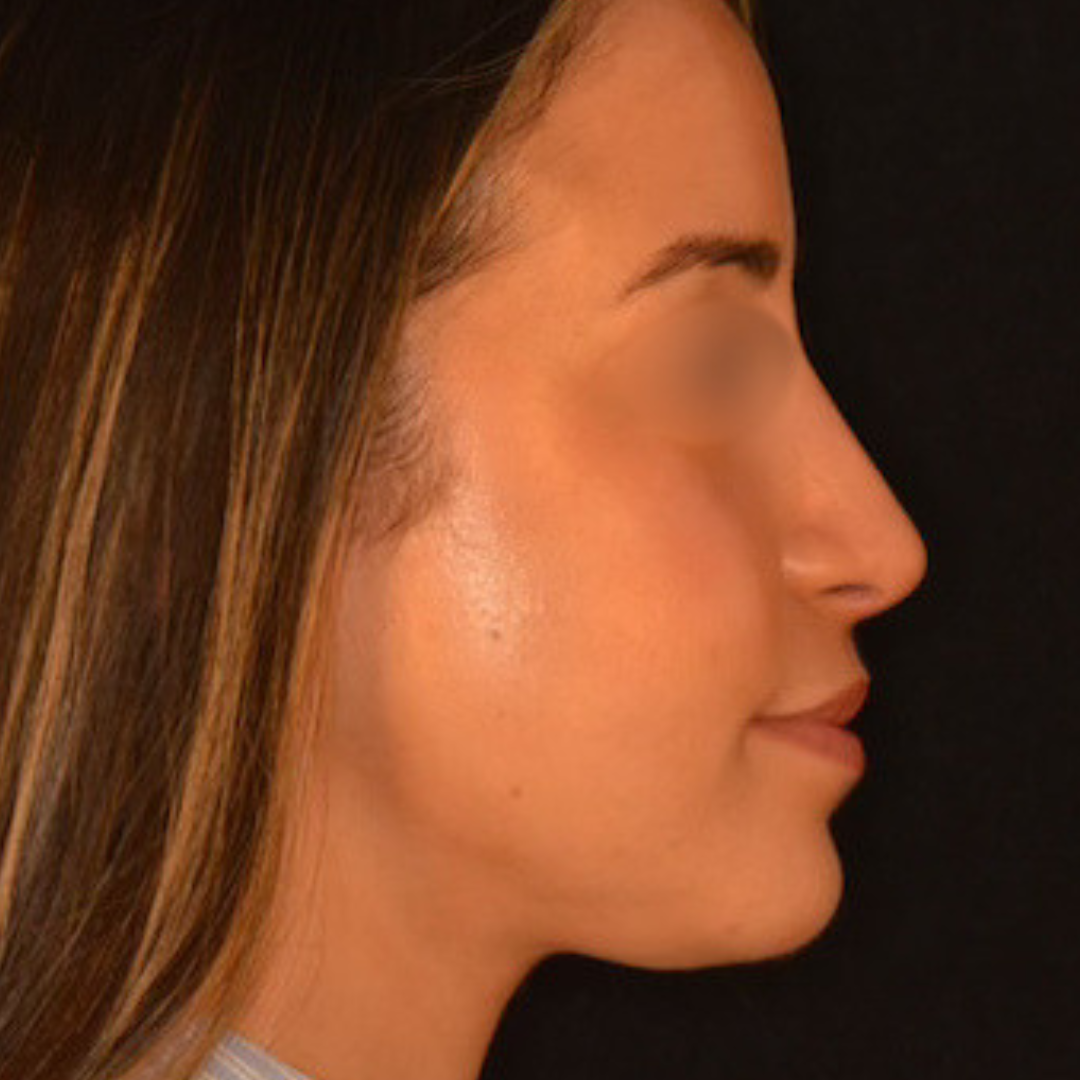
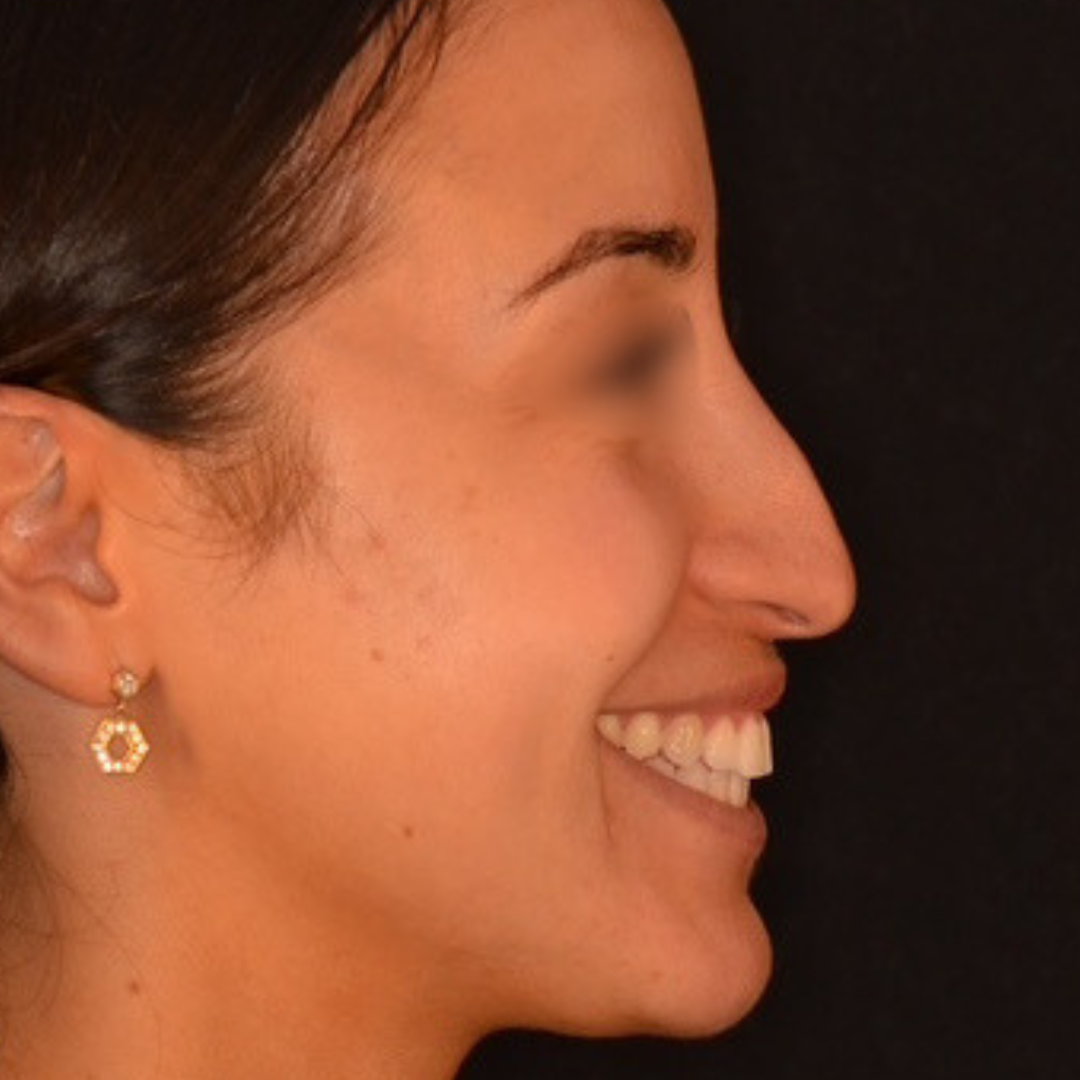
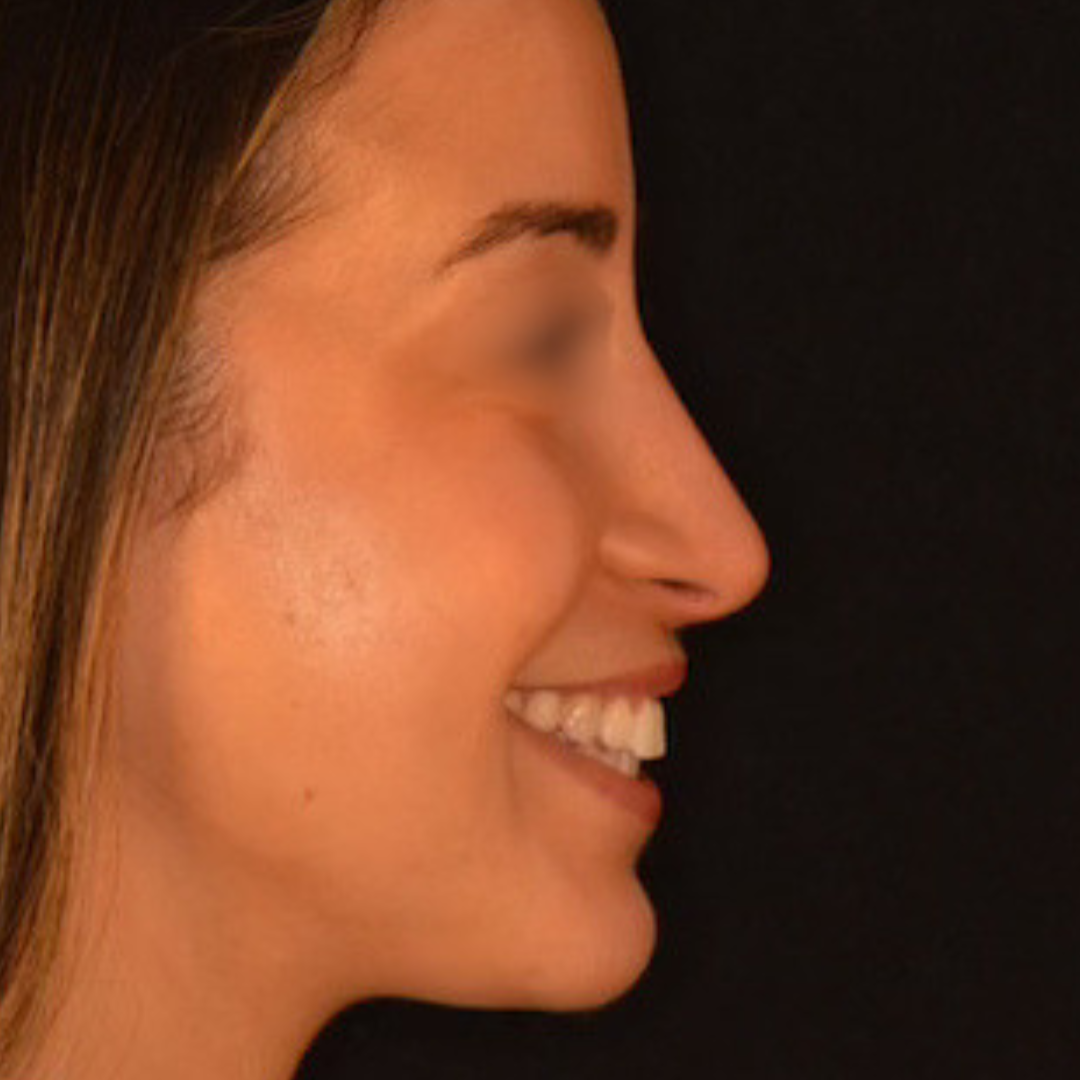
Rhinoplasty after previous jaw surgery: refining the nasal profile and supporting the tip
Before
After
After
Before
Patient concern
This patient had lifelong nasal breathing difficulties and had undergone two previous jaw operations, but no previous nasal surgery. She was also concerned about a dorsal hump and a nasal tip that dropped when she smiled.
Florian’s Assessment and approach
Assessment identified a septum deviated to the right, a small septal perforation, a bony and cartilaginous hump and limited support at the front of the nose.
Mr Florian Bast performed an open structural septorhinoplasty. The operation included reduction of the dorsal hump, straightening of the septum, closure of the septal perforation and reconstruction of the anterior septum using the patient’s own septal cartilage. A septal extension graft and tongue-in-groove technique were used to support and stabilise the nasal tip.
The outcome
At one-year follow-up, the patient reported that her nasal breathing was significantly better. The septal perforation had healed completely and no further treatment was required.
In the one-year photographs, Florian highlights a straighter, more defined profile and improved tip position, including when smiling.
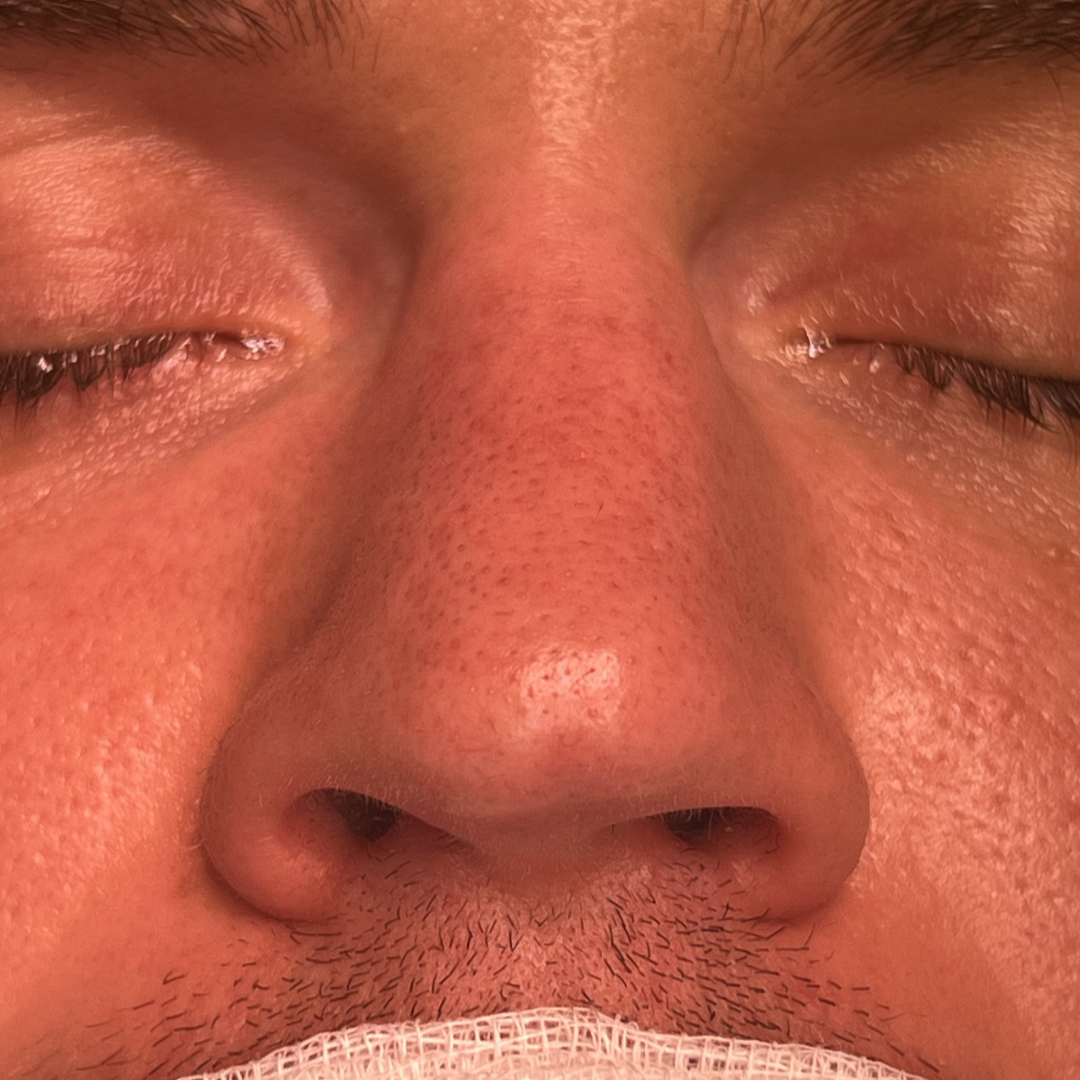
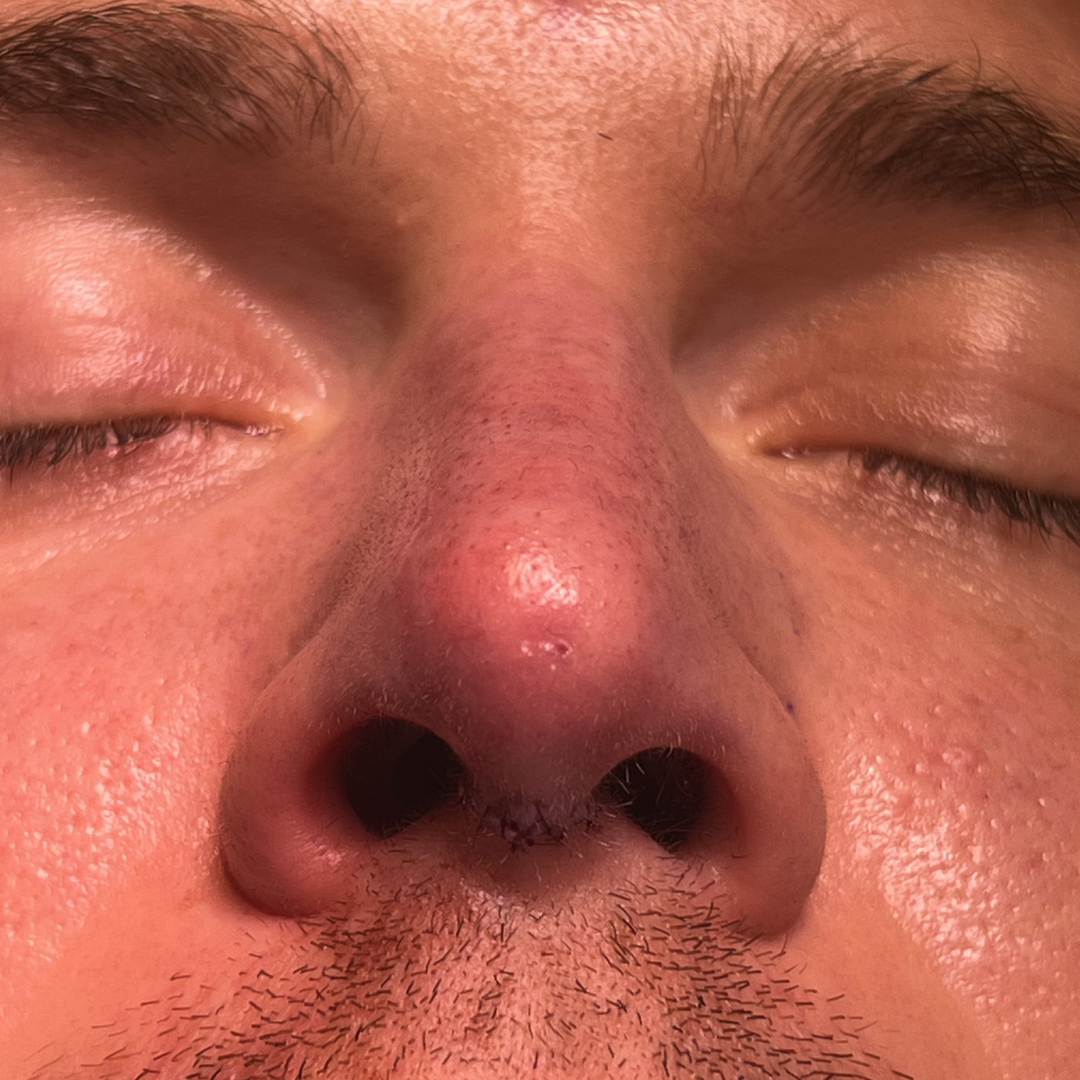
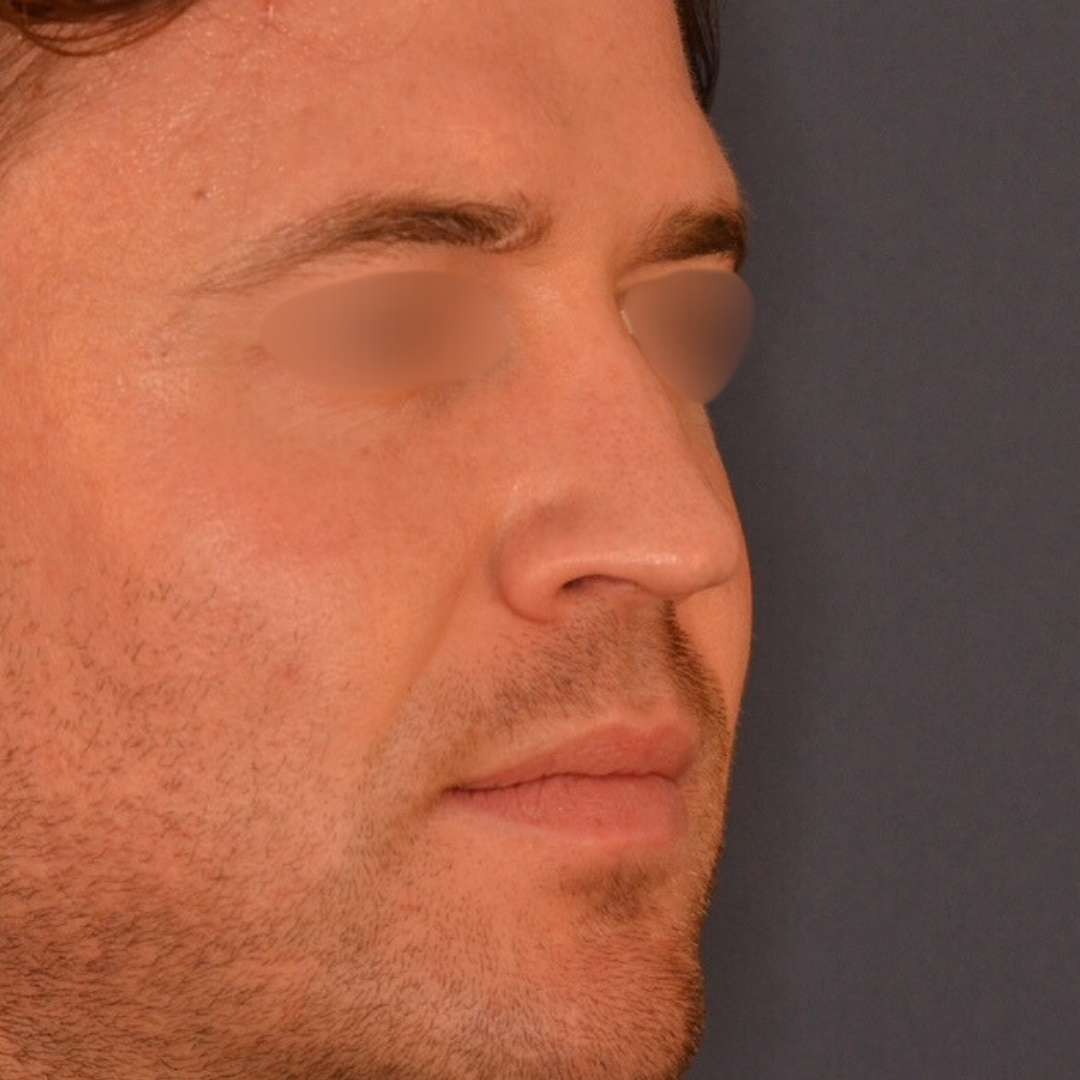
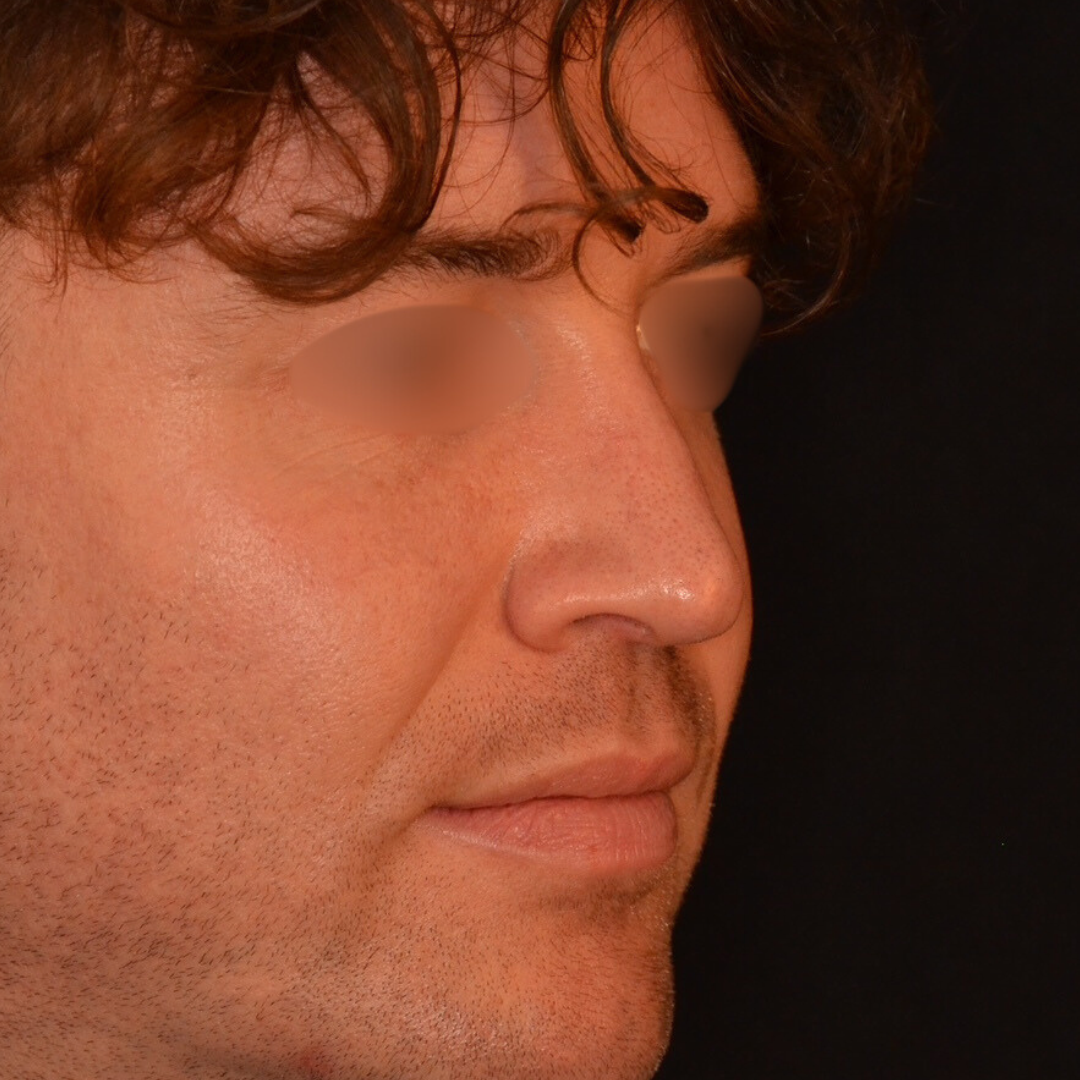
Rhinoplasty after nasal trauma: improving symmetry, tip support and breathing
Before
After
Before
After
Patient concern
Following nasal trauma, this patient had previously undergone surgery to straighten his septum. Although this was his second nasal operation, it was his first rhinoplasty.
He continued to experience difficulty breathing through the left side of his nose and was also concerned about changes to the appearance of his nose following the injury, including a shift of the nasal bridge to the left and a broader, slightly drooping tip.
Florian’s assessment and approach
Assessment showed a septal deviation to the left, compensatory enlargement of the right inferior turbinate, a nasal pyramid shifted to the left and dorsal aesthetic lines that were also displaced. The tip was broad and tended to drop further when smiling.
Mr Florian Bast performed an open structural rhinoplasty to straighten the nasal bones and septum, restore the middle part of the nose and improve tip support and symmetry. A septal extension graft and tongue-in-groove technique were used to stabilise the tip, and a turbinate reduction was also performed.
The aim was to address both the structural effects of the previous trauma and the patient’s breathing difficulties while creating a straighter, more balanced nasal shape.
Outcome
At follow-up, Florian reports that the patient’s breathing is excellent. He is very active and has no breathing difficulty during sport.
The postoperative photographs show a straighter nasal pyramid, more balanced dorsal lines and improved tip position and symmetry. Florian also reports that there are no ongoing concerns and that the patient is very happy with the outcome.
Important information: These photographs show the outcomes for two individual patients. They are not a guarantee of what another patient will achieve. Rhinoplasty is an individual procedure and the surgical approach is planned according to each patient’s anatomy, concerns and goals.
MR FLORIAN BAST EXPLAINS
Common questions about a Rhinoplasty procedure
-
Rhinoplasty is typically carried out under general anaesthetic (also known as general anesthesia) and typically takes two to three hours.
Two techniques are used:
Closed rhinoplasty, with all incisions placed inside the nostrils, leaving no visible scars.
Open rhinoplasty, which involves a small incision between the nostrils for better visibility of bone and cartilage.
During your consultation, Mr Bast will explain the benefits of each approach and recommend the technique that best suits your anatomy and goals.
-
Most patients go home the same day of the surgery but may stay overnight for comfort and observation. The day after surgery, it’s normal to experience mild swelling or tenderness. Pain relief and cold compresses help ease discomfort. Bruising, if any, fades within a week, and swelling gradually reduces over the following weeks.
A small splint is removed after 7–10 days. Most patients feel ready to return to work or light activity soon after, depending on the extent of surgery.
-
You will receive a personalised recovery plan that supports healing and comfort. This may include gentle lymphatic drainage and skincare to reduce swelling. Light activity can usually resume after one week, but full recovery takes time as tissues settle.
Florian reviews every patient throughout their recovery to ensure progress and comfort. Over time, both the nasal appearance and breathing function continue to refine, providing stable and lasting improvement.
Patients who wear glasses can use RhinoShields to protect the healing nose. Many also choose Skinade MD® supplements to support recovery and reduce side effects such as bruising and inflammation.
-
Before recommending surgery, Mr Bast conducts a detailed consultation that includes a discussion of your goals, review of your medical history, and physical examination of your nasal airway and facial structure. This step allows him to create a safe, realistic surgical plan tailored to your needs.
Medical imaging and a detailed facial and nasal analysis including morphed pictures is an integral part of the consultation process.
He also explains how rhinoplasty surgery may improve your comfort, breathing, and confidence, as well as what to expect during recovery. Proper preparation helps ensure predictable results under general anaesthetic.
-
As with any surgical procedure, Rhinoplasty carries potential risks and complications. Expected short-term effects can include swelling, bruising, nasal congestion, tenderness and temporary changes in sensation or sense of smell.
Recognised complications can include bleeding, infection, delayed healing, scarring, changes in nasal breathing, asymmetry or contour irregularities. Less commonly, septal perforation or persistent changes in sensation may occur. There are also risks associated with general anaesthesia.
The final outcome of Rhinoplasty cannot be guaranteed, and occasionally further surgery may be considered if functional concerns remain or additional refinement is required.
Your individual risks depend on your anatomy, medical history and the complexity of your procedure. Mr Florian Bast will discuss the potential benefits, limitations and risks relevant to you during your consultation, so you can make a fully informed decision.
-
The cost of rhinoplasty surgery with Mr Bast starts from around £12,275, which includes surgeon, hospital, and anaesthetist fees. The final cost depends on the complexity of the procedure — for example, if additional treatments such as septoplasty, nasal valve repair, or nasal fracture reduction are required. Revision rhinoplasty procedures are generally more complex and therefore higher in cost.
Every treatment plan is created individually and fully discussed at your consultation. -
As one of the most experienced rhinoplasty surgeons in London, Mr Bast operates at The Cromwell Hospital, Weymouth Street Hospital, and King Edward VII’s Hospital. He also consults patients at Harley Street, LIPS Battersea, Montrose, and HCA London. Patients choose him for advanced nose surgery in London that improves breathing, corrects deformities, and restores confidence - combining precise functional correction with natural, aesthetic results.