Current Practice: The Bilobed Flap From the Classic Indication to Cover a Small Defect on Face to Covering a Large Defect on the Chest
This paper discusses the bilobed flap, traditionally used for small facial defects, and its selected use for larger defects in other anatomical areas. It is relevant to reconstructive technique and facial plastic surgery literature.
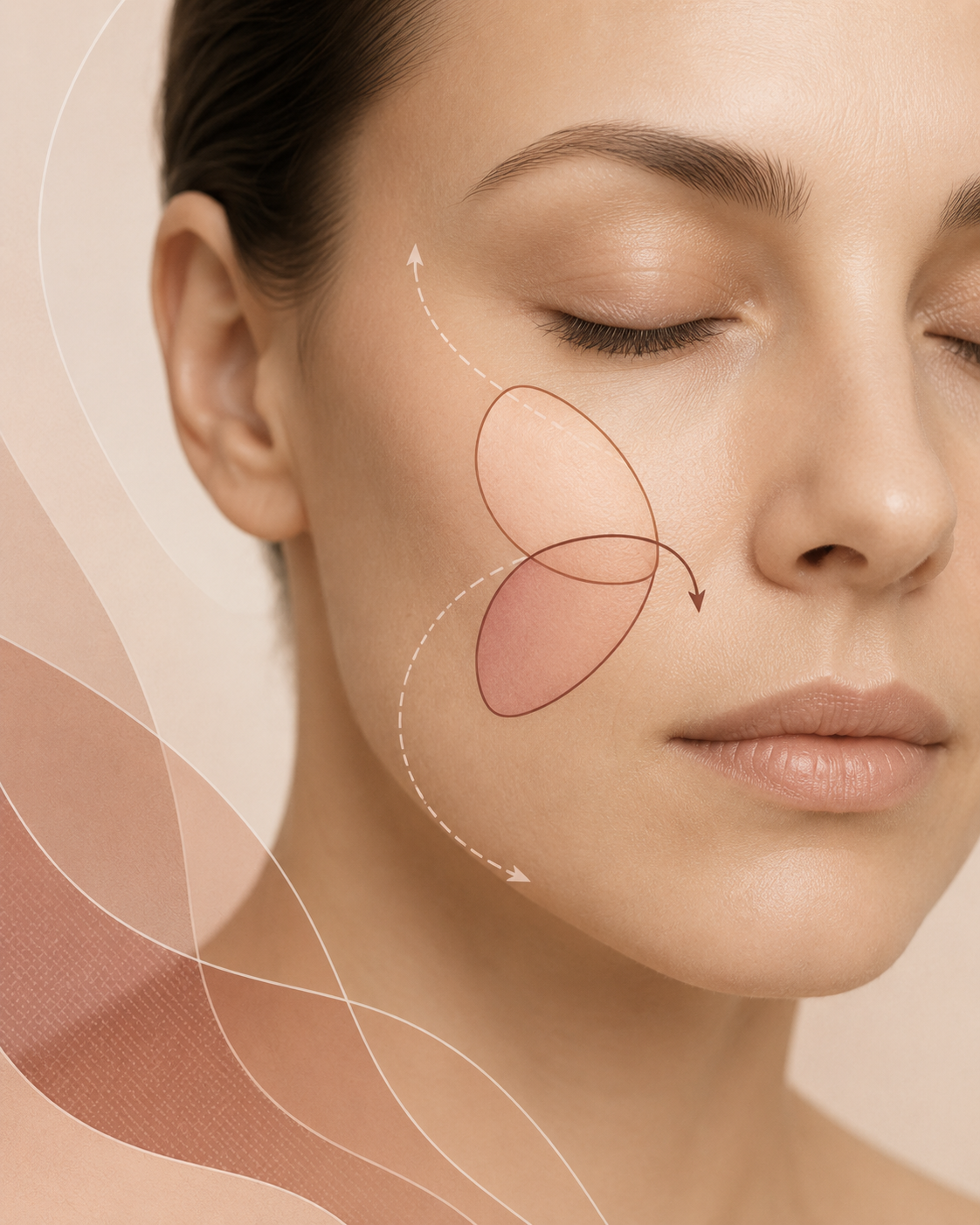
Research snapshot
Authors: Florian Bast; Susann Roos; Sebastian Weikert; Thomas Schrom
Publication Type: Journal article
Publication Date: 03/2016
Publication Details: Journal of the College of Physicians and Surgeons Pakistan. 2016;26(3):220-222.
PMID: 26975956
DOI: 03.2016/JCPSP.220222
Study Type: Case report / technical note
A link to the original publication: https://pubmed.ncbi.nlm.nih.gov/26975956/
What this paper looked at
Use of the bilobed flap beyond its classic indication for small facial defects.
Key points from the publication
The publication describes the bilobed flap as a reconstructive option and discusses selected use beyond typical small facial defects.
Clinical relevance
Relevant to reconstructive surgery and facial plastic surgery technique. Procedural content needs clinical review before public use.
What this means in context
Helps position the research profile around reconstructive decision-making and surgical technique, not only aesthetic nasal surgery.
About Mr Florian Bast
Mr Florian Bast is a London-based Consultant Rhinologist, ENT and Facial Plastic Surgeon with specialist expertise in rhinoplasty, revision rhinoplasty, septorhinoplasty and facial plastic surgery.
His work includes the assessment and treatment of patients with both functional and aesthetic concerns, including nasal obstruction, nasal shape concerns, revision nasal surgery, septal problems and wider ENT and facial plastic surgery needs.
Mr Bast’s approach focuses on careful assessment, clear communication and treatment planning that considers both appearance and function. He aims to help patients understand what may be appropriate for their individual anatomy, symptoms and goals, with an emphasis on natural-looking, functional results and informed decision-making.
Disclaimer
This page is for educational purposes only and should not be taken as individual medical advice.
If you or someone you know has symptoms such as worsening headache, confusion, drowsiness, weakness, changes in speech, seizures, balance problems or symptoms following a head injury, seek urgent medical advice.
